Tips for Creating a Relaxing Home Office Environment
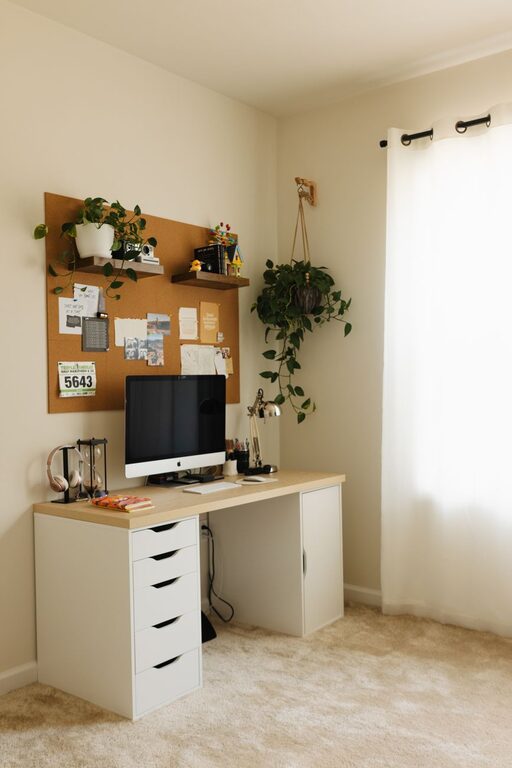
Creating a relaxing home office environment is essential for maintaining productivity and well-being, especially in today’s work-from-home culture. When your workspace feels calm and comfortable, you’re more likely to stay focused, motivated, and less stressed throughout the day. Whether you have a dedicated room or just a small corner for work, these tips will help you design a space that supports both comfort and efficiency.
Choose the Right Location
Selecting a spot for your home office is the first step toward creating a relaxing environment. Ideally, pick a quiet area away from household traffic and distractions. If possible, locate your workspace near a window to benefit from natural light, which can improve mood and energy.
Consider these factors when choosing your location:
– Noise levels
– Privacy
– Access to power outlets
– Enough space for your furniture and supplies
Invest in Comfortable Furniture
Comfort plays a huge role in how relaxing your workspace feels. An ergonomic chair and desk can prevent physical discomfort that might distract you during the day.
Tips for furniture selection:
– Choose a chair with adjustable height and lumbar support.
– Ensure your desk is the right height to keep your wrists straight when typing.
– Consider a sit-stand desk for the option to change positions.
– Use a footrest if your feet don’t comfortably reach the floor.
Optimize Lighting
Lighting can greatly affect your comfort and productivity. Aim for a mix of natural and artificial lighting to brighten your space without causing glare on your screen.
Lighting tips:
– Position your desk perpendicular to windows to reduce screen glare.
– Use a desk lamp with adjustable brightness and color temperature.
– Consider soft, warm lighting for relaxation during breaks.
– Avoid harsh overhead fluorescent lights if possible.
Declutter and Organize
A cluttered workspace can increase stress and make it harder to find what you need. Keeping your desk and surrounding area tidy helps create a calm atmosphere.
Easy organization ideas:
– Use drawer organizers or trays for office supplies.
– Keep only daily essentials on your desk.
– File papers regularly to avoid piles.
– Utilize shelves or storage boxes to store extras out of sight.
Add Personal and Natural Touches
Decorating your home office with personal items and elements from nature can make the space more inviting and relaxing.
Suggestions to personalize your workspace:
– Place a few favorite photos or artwork on the walls.
– Add indoor plants to improve air quality and create a calming vibe.
– Use soft textiles like a cushion or small rug for added comfort.
– Choose soothing colors for walls and accessories, such as soft blues, greens, or neutrals.
Control Temperature and Air Quality
An uncomfortable temperature or stuffy air can make it hard to focus. Keeping your home office environment fresh and at a comfortable temperature encourages better concentration.
Tips to improve comfort:
– Use a fan or space heater to adjust temperature as needed.
– Open a window periodically to let in fresh air.
– Consider an air purifier to reduce dust and allergens.
– Keep a bottle of water nearby to stay hydrated.
Establish a Relaxation Zone
If space allows, create a small area separate from your main desk for taking breaks. This can be a comfy chair, a meditation cushion, or a spot for light stretching.
Benefits of a relaxation zone:
– Helps you physically separate work and rest.
– Encourages short breaks which improve productivity.
– Provides a space for mindfulness or quick relaxation exercises.
Manage Technology Wisely
Technology is essential for most home offices but can also be a source of stress if not well managed.
Tips for tech and digital comfort:
– Use noise-cancelling headphones to block distractions.
– Keep cables organized and out of your way.
– Adjust screen brightness and use blue light filters to reduce eye strain.
– Set limits for checking email and notifications to prevent overload.
Stick to a Routine
Having a consistent schedule helps your mind associate your workspace with focused work time and relaxation.
Routine ideas:
– Start your day with a short mindfulness or stretching session.
– Take regular breaks to stand up, stretch, or walk around.
– End your workday by tidying your desk and turning off your computer.
Final Thoughts
Designing a relaxing home office doesn’t require a large budget or major renovations. By paying attention to comfort, lighting, organization, and personal touches, you can create a workspace that supports concentration and calm. With a well-planned environment, working from home can become a more enjoyable and productive experience.