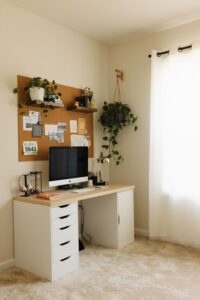
Tips for Creating a Relaxing Home Workspace to Boost Productivity

Creating a relaxing home workspace is essential for boosting productivity, especially as many people continue to work remotely or spend more time completing tasks at home. A well-designed workspace can reduce stress, inspire creativity, and improve focus throughout the workday. In this post, we’ll explore practical tips and ideas to help you set up a calming and efficient area for work in your home.
Why a Relaxing Workspace Matters
Your environment greatly impacts how you feel and perform. A cluttered or uncomfortable space can increase distractions and fatigue, while a tidy and calming workspace promotes mental clarity and motivation. Making your workspace relaxing doesn’t mean sacrificing functionality—it’s about balancing comfort and practicality to support your daily tasks.
1. Choose the Right Location
Start by picking a spot in your home that naturally feels peaceful. Ideally, this location should be:
– Away from high-traffic areas: This helps minimize noise and interruptions.
– Close to natural light: Sunlight improves mood and energy.
– Well-ventilated and fresh: Good air circulation keeps the space comfortable for long periods.
If possible, try to dedicate a space solely for work to separate your professional and personal life.
2. Invest in Comfortable Furniture
Your furniture sets the foundation for comfort during work. Consider the following:
– Ergonomic Chair: Choose a chair that supports your posture, with adjustable height and lumbar support.
– Desk Height: Your desk should allow your elbows to rest at about a 90-degree angle when typing.
– Extra Cushions or Footrests: These can add comfort if you spend many hours seated.
Comfort reduces physical strain and helps maintain concentration throughout the day.
3. Keep It Organized and Clutter-Free
Clutter can increase stress and make it harder to focus. Here are some ways to stay organized:
– Use Storage Solutions: Drawer organizers, shelves, and bins help keep papers and supplies in place.
– Limit Desk Items: Keep only essentials on your desk for a clean and tidy look.
– Daily Cleanup: Spend a few minutes at the end of each day clearing your workspace.
A neat environment invites a calm mindset that’s conducive to productivity.
4. Add Personal Comfort and Style
Creating a space that reflects your personality and comforts can make work more enjoyable. Some ideas include:
– Plants: Indoor plants improve air quality and add a natural touch.
– Soft Lighting: Use desk lamps or warm LED lights to avoid harsh overhead lighting.
– Artwork or Photos: Decorate with items that inspire or make you happy.
Personal touches can help create an environment where you want to spend time.
5. Minimize Distractions
Avoid common distractions to maintain focus:
– Noise Management: Use noise-canceling headphones or play soft background music or white noise.
– Limit Phone Use: Silence notifications or put your phone in another room during work time.
– Set Boundaries: Inform family or housemates of your work hours to reduce interruptions.
A distraction-free zone supports deep work and productivity.
6. Maintain Good Lighting
Proper lighting is crucial for reducing eye strain and keeping energy levels high:
– Maximize Natural Light: Position your desk near a window.
– Task Lighting: Use adjustable lamps for focused work.
– Avoid Glare: Arrange monitors and light sources to prevent reflections on screens.
Good lighting creates a pleasant atmosphere that supports long hours of concentration.
7. Incorporate Regular Breaks
Even with the best workspace, taking breaks is key to productivity:
– Pomodoro Technique: Work for 25 minutes, then take a 5-minute break.
– Stretch or Move: Use your breaks to stretch, walk around, or do light exercises.
– Hydrate and Snack: Keep water and healthy snacks nearby.
Breaks refresh your mind and prevent burnout.
8. Use Technology Wisely
Optimize your workspace with helpful technology without letting it overwhelm you:
– Cable Management: Tidy cables to reduce mess and hazards.
– Efficient Devices: Use a reliable computer, keyboard, and mouse for smooth workflow.
– Productivity Apps: Utilize tools for task management and time tracking.
Smart technology supports your work instead of distracting from it.
9. Personal Wellness Items
Consider adding items that help you relax and maintain well-being:
– Aromatherapy: Use essential oil diffusers with calming scents like lavender or eucalyptus.
– Comfortable Textiles: Soft blankets or seat cushions add warmth.
– Eye Care: Keep eye drops or glasses designed for screen use handy.
Combining wellness with work habits promotes a balanced and peaceful workspace.
Final Thoughts
Creating a relaxing home workspace is about designing an environment that fosters productivity and well-being. By choosing the right location, investing in comfort, minimizing distractions, and personalizing your area, you’ll set yourself up for success. Remember, small changes can make a big difference in how you feel and work each day.
Take the time to evaluate your current setup, try some of these tips, and adjust according to what works best for you. A calm, organized, and pleasant workspace isn’t just a luxury—it’s an essential foundation for productive and enjoyable work from home.