Tips for Creating a Sustainable Home Garden Throughout the Year
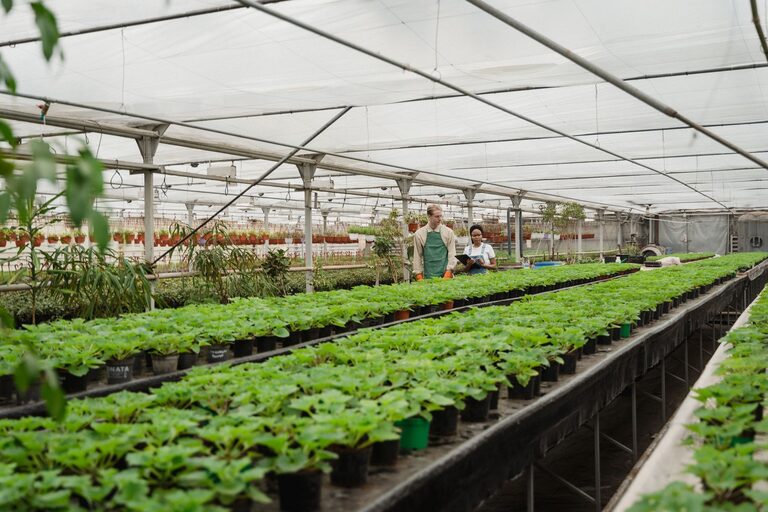
Creating a sustainable home garden is a rewarding way to connect with nature while reducing your environmental impact. Whether you have a small backyard or just a few pots on a balcony, gardening sustainably throughout the year can bring fresh produce, beauty, and a sense of accomplishment to your home.
In this post, we’ll explore practical tips to help you plan, plant, and maintain a garden that works in harmony with the seasons and the environment.
Understanding Sustainable Gardening
Sustainable gardening means creating a garden that conserves resources, supports local ecosystems, and minimizes waste. This approach includes selecting plants that grow well in your climate, reducing chemical use, conserving water, and recycling organic matter.
By gardening sustainably, you support soil health, protect pollinators, and contribute to a more balanced ecosystem around your home.
Planning Your Garden for Year-Round Success
Good planning lays the foundation for a sustainable garden. Here’s how to get started:
Choose the Right Plants
– Native species: Native plants are adapted to your local climate and soil, requiring less water and care. They also provide habitat for local wildlife.
– Perennials: These plants return year after year, reducing the need for replanting and preserving soil structure.
– Seasonal crops: Grow a mix of vegetables and herbs suited to each season to ensure continuous harvest.
Consider Your Space and Sunlight
Assess your garden area to understand sunlight patterns, soil quality, and drainage. This helps you pick plants that will thrive in each spot, saving water and effort in the long run.
Plan for Crop Rotation
Rotating crops each season prevents soil depletion and helps reduce pests and diseases. Plan your planting schedule accordingly to maximize soil health.
Soil Health and Composting
Healthy soil is the backbone of a thriving garden.
Build Healthy Soil
– Add organic matter like compost or well-rotted manure to enrich the soil.
– Avoid synthetic fertilizers when possible, as they can harm beneficial soil organisms.
Start Composting
Composting kitchen scraps and yard waste is a great way to recycle nutrients and reduce landfill trash. Use a bin or pile to turn organic waste into rich compost that nourishes your plants.
Water Wisely
Water conservation is key to sustainable gardening.
Use Efficient Irrigation Methods
– Drip irrigation delivers water directly to plant roots, minimizing waste.
– Water early in the morning or late in the evening to reduce evaporation.
Collect Rainwater
Set up a rain barrel to collect runoff from your roof. This provides free, chemical-free water for your garden.
Mulch to Retain Moisture
Apply organic mulch around plants to keep soil moist, suppress weeds, and add nutrients as it breaks down.
Pest Management Naturally
Avoid harmful chemicals by managing pests naturally.
Encourage Beneficial Insects
Ladybugs, lacewings, and bees help control pests and pollinate plants. Plant flowers like marigolds and herbs like basil to attract them.
Use Physical Barriers
Netting, row covers, and collars protect plants without chemicals.
Practice Companion Planting
Certain plants grow well together and can deter pests. For example, planting garlic near tomatoes may repel unwanted insects.
Embrace Seasonal Gardening
Adjust your garden tasks to the seasons for ongoing productivity and sustainability.
Spring
– Prepare beds by adding compost.
– Start seedlings indoors or directly sow cold-tolerant crops like peas and lettuce.
Summer
– Harvest regularly to encourage growth.
– Shade sensitive plants during extreme heat.
– Monitor water needs carefully.
Fall
– Plant cover crops like clover to protect soil.
– Clean up plant debris to reduce overwintering pests.
– Start prepping for winter with mulch layers.
Winter
– Plan next year’s garden and order seeds.
– Maintain tools and protect tender plants.
Additional Tips for a Sustainable Garden
– Reduce plastic use by choosing reusable pots and biodegradable plant markers.
– Save seeds from your healthiest plants to grow in future seasons.
– Share your harvest or surplus seedlings with neighbors to foster community.
Conclusion
Creating a sustainable home garden is a year-round journey that offers both environmental and personal benefits. By planning thoughtfully, caring for your soil, conserving resources, and working with nature’s rhythms, you can cultivate a thriving garden that nourishes you and supports your local ecosystem.
Start small, keep learning, and enjoy the satisfaction of watching your sustainable garden grow.