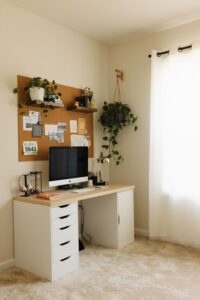
Tips for Creating a Relaxing Home Office Environment
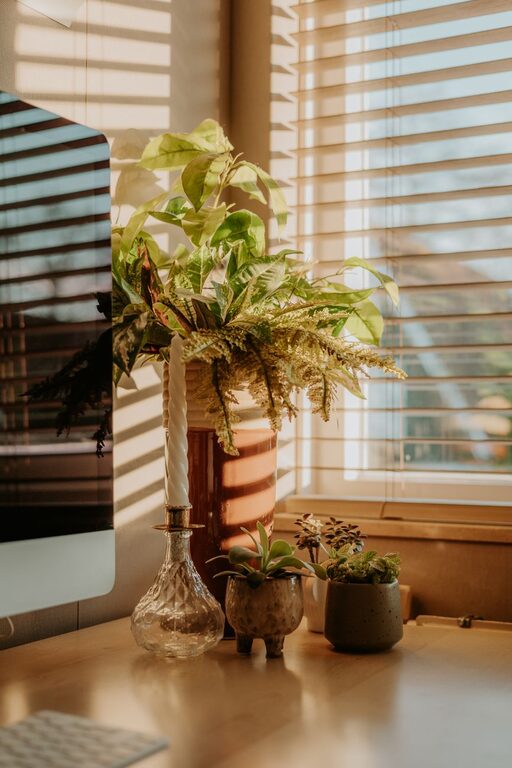
Creating a relaxing home office environment is essential for maintaining focus, reducing stress, and balancing work and personal life. Whether you work remotely full-time or occasionally need a space to focus, your home office should feel inviting and calm. Below, we’ll explore practical tips to help you design a workspace that promotes relaxation and productivity.
Why a Relaxing Home Office Matters
A cluttered or uninspiring workspace can increase feelings of stress and make it harder to concentrate. Conversely, a well-organized, peaceful environment helps you stay motivated and comfortable throughout your workday. By incorporating calming elements, you set the stage for better mental clarity and improved work performance.
Choose the Right Location
Find a Quiet Spot
Select a part of your home with minimal noise and interruptions. This might be a spare room, a corner of a less-used area, or a nook by a window. If possible, avoid high-traffic zones like the kitchen or living room.
Maximize Natural Light
Natural light improves mood and reduces eye strain. Position your desk near a window or in a place that receives ample daylight. If natural light is limited, use soft, full-spectrum lighting to mimic daylight.
Declutter and Organize
Keep Essentials Handy
Limit your desk items to only what’s necessary: your computer, notepad, and essential stationery. Use drawers or organizers for other supplies to keep surfaces tidy.
Use Storage Solutions
Shelves, filing cabinets, baskets, or boxes help keep paperwork and tools orderly. Label containers to quickly locate what you need without creating a mess.
Choose Comfortable and Supportive Furniture
Invest in a Good Chair
Your chair should support your back and encourage good posture. Adjustable ergonomic chairs can reduce discomfort during long working hours.
Select a Suitable Desk
Choose a desk size that fits your space and needs. Standing desks or adjustable desks offer versatility and can help reduce prolonged sitting.
Add Soothing Elements
Incorporate Plants
Plants improve air quality and add a touch of nature. Choose low-maintenance options like pothos, succulents, or snake plants.
Use Calming Colors
Soft, neutral tones such as light blues, greens, or earth tones create a peaceful atmosphere. Avoid overly bright or harsh colors that can cause distractions.
Introduce Personal Touches
Photos, artwork, or meaningful objects can make your workspace more inviting. Just be sure not to overwhelm the area and keep it balanced.
Manage Technology Wisely
Position Monitors Correctly
Place your computer monitor at eye level to reduce neck strain. Ensure that screen brightness matches the lighting conditions to avoid eye fatigue.
Minimize Distractions
Turn off unnecessary notifications and use apps or settings to block distracting websites or interruptions during work hours.
Incorporate Relaxation Techniques
Create a Break Area
If space allows, include a comfy chair or cushion where you can take brief breaks to stretch or meditate.
Use Aromatherapy
Scents like lavender, eucalyptus, or chamomile can promote relaxation. Use candles, essential oil diffusers, or sprays, but be cautious if you share your workspace.
Establish Clear Boundaries
Set Work Hours
Define your workday hours to avoid overworking and to help separate professional time from personal time.
Communicate with Household Members
Let family or roommates know your schedule to minimize unexpected distractions.
Keep Air Quality Fresh
Good ventilation is key to staying alert and comfortable. Open a window periodically or use an air purifier to maintain fresh air in your office.
Maintain Routine Cleanups
Regularly cleaning your workspace prevents buildup of dust and clutter, which can affect your mood and productivity.
—
By applying these tips, you can create a home office that feels both calming and functional. A thoughtfully designed workspace not only supports your work but also contributes to your overall wellbeing. Take the time to personalize your office to match your preferences and needs, fostering an environment where you can thrive every day.